The Whole Street Was Dark. One Small House Still Had Its Lights On.
No generator. No solar panels. The main line to the street was snapped in half by a pine tree. Four days later the repair crew looked at his meter and stopped talking.
When the storm came through the Gulf Coast, it took the power out for roughly 1.8 million homes. Some neighborhoods sat in the dark for weeks. Crews were flying drones over the worst of it, looking for people still trapped inside.
That is how they found the house. On the drone feed, block after block of black roofs — and then one small single-story house glowing warm yellow, like somebody had forgotten to tell it the grid was gone.
The coordinator that night assumed it was a generator. It was not. When the team finally reached the address, an 82-year-old retired mechanic named Tom Rodriguez answered the door in his slippers, newspaper folded under his arm. Lights on. TV running the weather. His old chest freezer humming away with the ice cream still solid inside.
No generator in the yard. Nothing on the roof. And the main cables feeding his street had been severed clean through by a fallen pine.
They asked him how. He smiled and said he'd figured out a little trick years ago.
"It was never about using less. It was about making my own."
Four Days Later, the Meter Made It Worse
When the utility crews finally got to that street to restore service, their diagnostic gear started reading strangely at Tom's connection. The technician checked it twice, then went and got his supervisor.
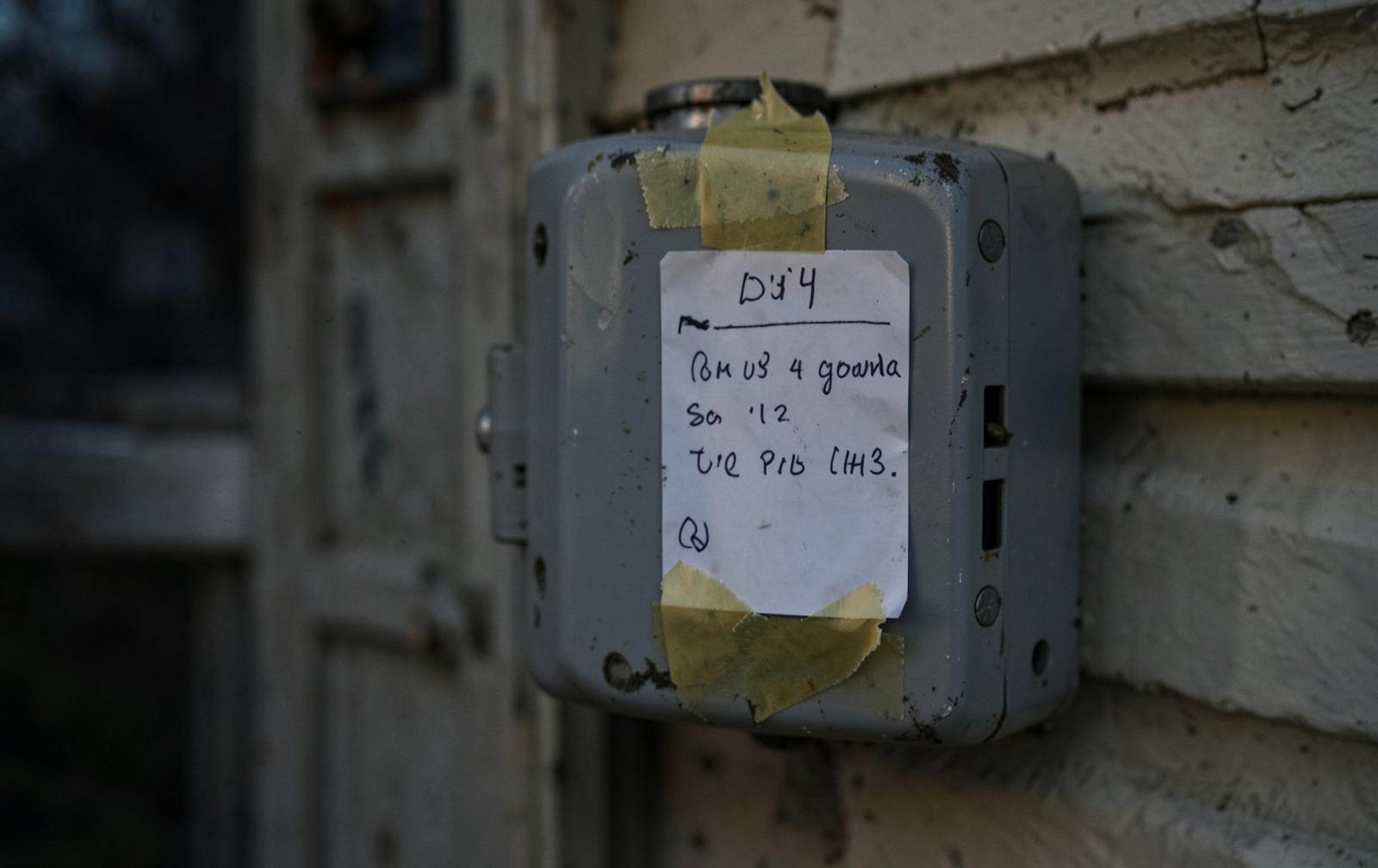
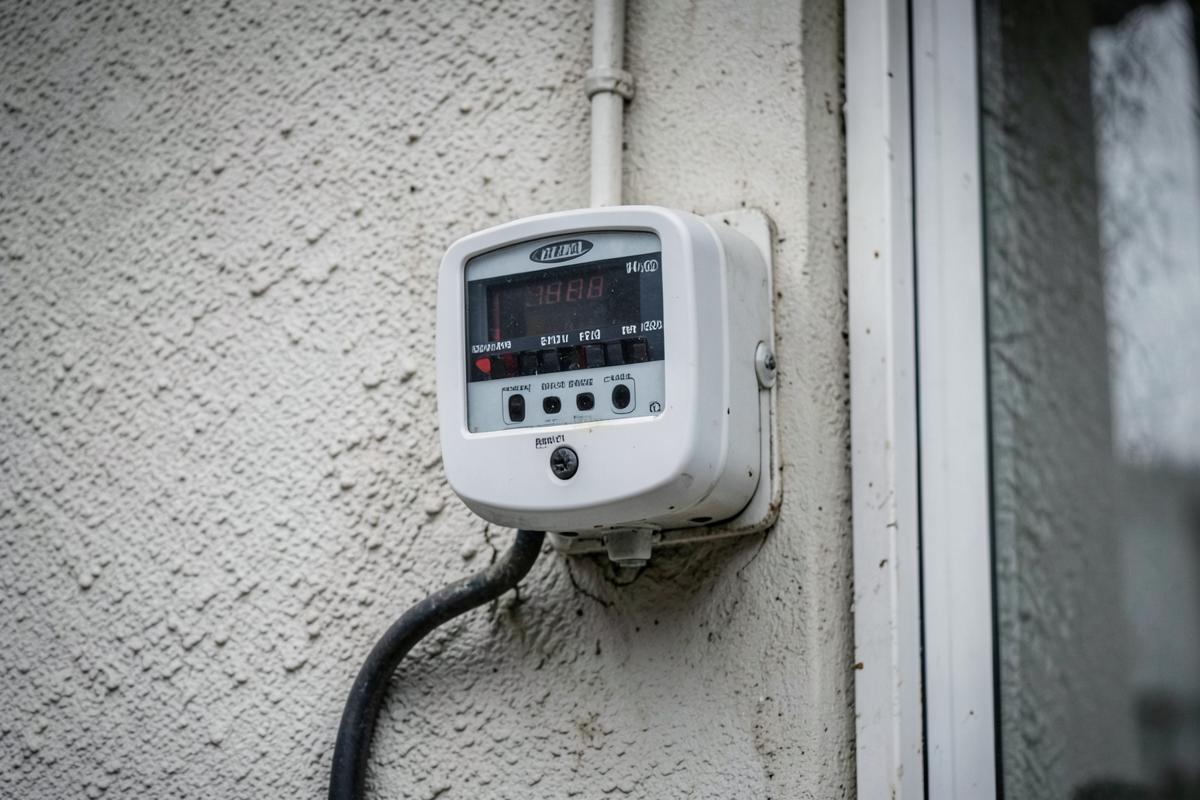
The meter was running backwards. Tom had not just kept his own lights on through the blackout. He had been pushing surplus electricity back down a line the company thought was dead.
By the accounting that followed, the utility owed him money for the power he put back. And that first check was not the end of it — more arrived over the following months.
Then the Story Started Disappearing
Tom is not an engineer. He spent forty years fixing lawn mowers and still asks his granddaughter to set the clock on his coffee maker. He built what he built out of parts you can carry out of a hardware store in one trip.
For about a week his story was everywhere — prepper forums, off-grid channels, screenshots passed around at church. Then the posts began coming down. Videos removed. Threads gone. One writer who tried to publish the method received a letter from attorneys he had never heard of.
Which is roughly the point where this stops being a nice story about a stubborn old man and starts being something else.
Where He Actually Got It
Tom did not invent anything. He said so himself. He copied it — from a patent filed in 1894 by the man who gave us alternating current, and from what happened to that man's laboratory shortly after he demonstrated the thing to five investors who made their fortunes selling power by the meter.
What he showed them in that room was a single small device sitting beside one lit bulb — and then, from the same source feeding that one bulb, fifteen more came on. The parts he used cost almost nothing then and cost less now. The whole build is
 The only interview Tom ever gave — about the trick that kept his lights on — is in the presentation.
The rest of this story continues
Watch the Full Video Here